



Deruta
Info
- Distance from Vocabolo Moscatelli
- 60km
A First Impression of Deruta
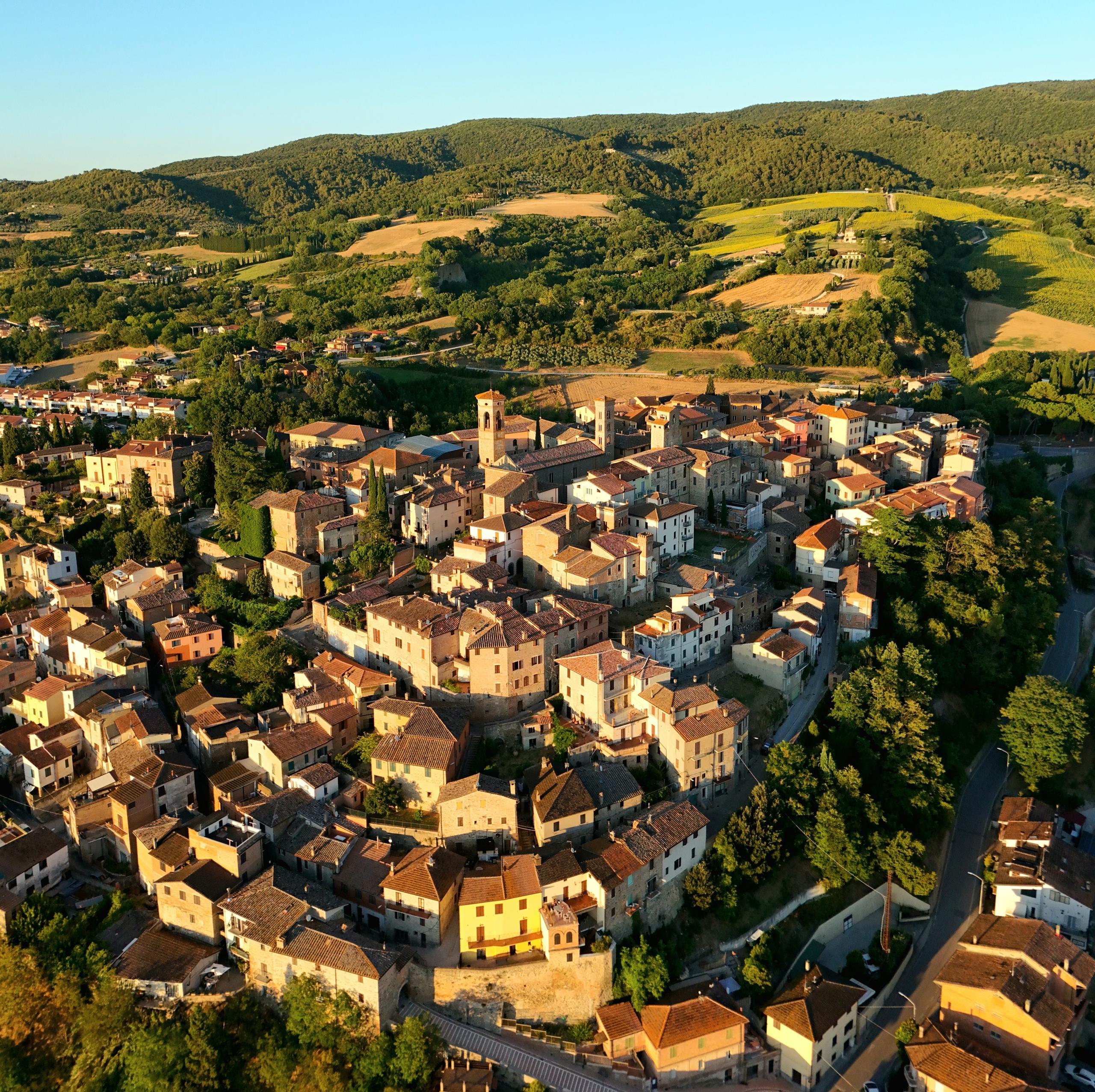
Deruta is not simply a village but a place where earth, craftsmanship and history are inseparable. Its medieval streets feel shaped by the quiet turn of pottery wheels, and its artisans continue centuries-old traditions with a devotion that has long defined the town’s identity.
For travellers who appreciate material culture, heritage techniques and a slower, more tactile encounter with place, Deruta offers an experience that is both intimate and deeply rooted.
Craftsmanship & Heritage: the Art of Majolica in Deruta
Deruta’s ceramic legacy stretches back to at least the late 13th century, supported by the region’s distinctive geology: abundant local clay, wooded slopes once used to fire kilns, and proximity to the Tiber corridor for trade. Over time, the town refined the art of tin-glazed majolica, reaching a creative peak in the 15th and 16th centuries.
This period saw the emergence of decorative styles that became synonymous with Deruta, such as the Raffaellesco motif—its curling dragons and Renaissance flourishes still painted today with remarkable precision.
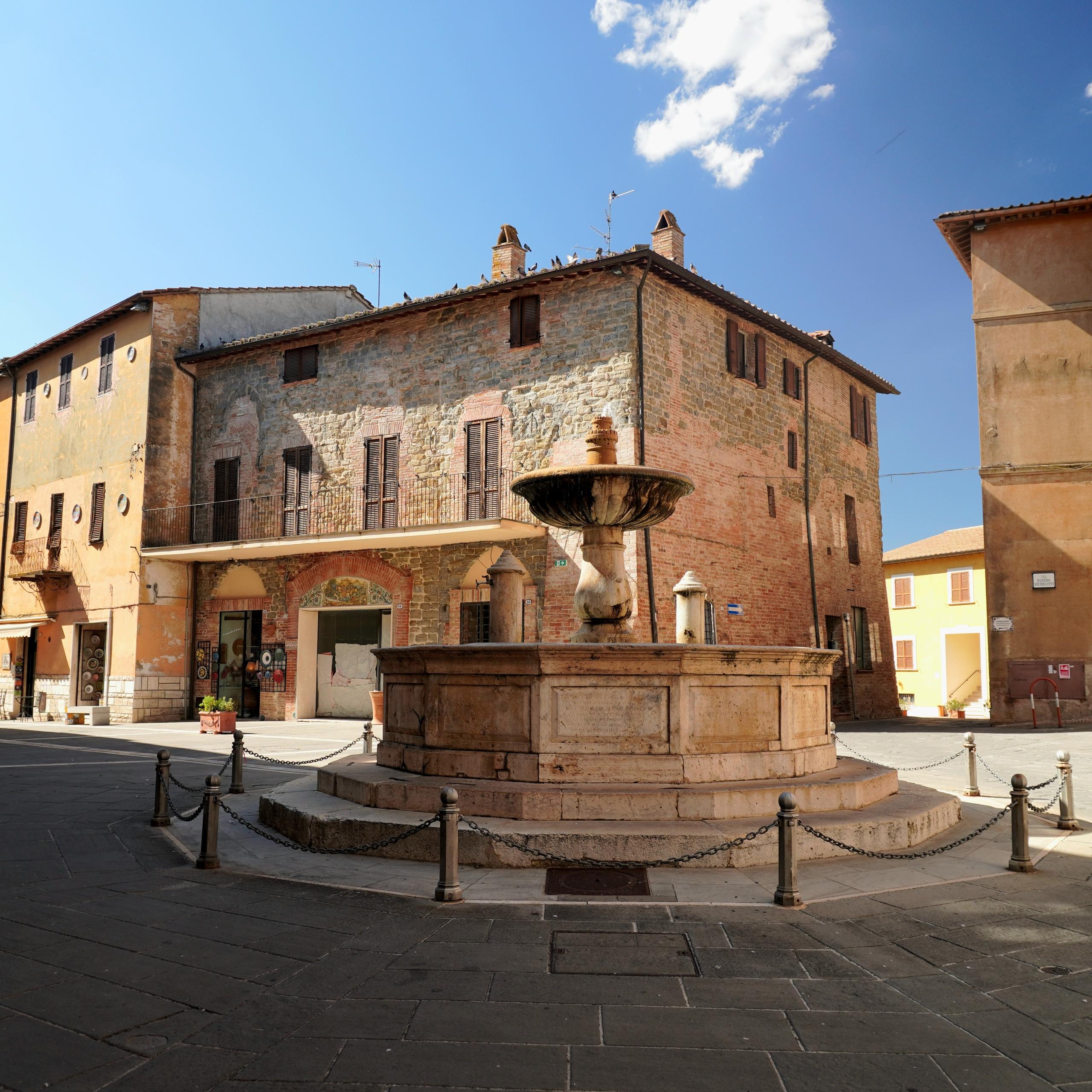
Walking through the historic centre, you sense how ceramics shaped not only the local economy but also the visual identity of the town: tiles embedded in façades, studio doors left open to the scent of glaze and clay, shelves of luminous plates catching the afternoon light.
Deruta’s Workshops
Deruta is, above all, a town of working artisans. Studios line the streets, many family-run for generations, and it’s common to glimpse potters shaping vessels on the wheel or artists applying delicate brushstrokes before a piece enters the kiln. Some workshops welcome visitors for demonstrations, offering a close look at the patient rhythm behind each object.
A must is the Regional Museum of Ceramics, housed in a former 14th-century convent. Its generous galleries trace the evolution of Deruta’s craft from medieval origins to contemporary interpretations, providing context that enriches everything you encounter in the village. Back outside, wander freely through the lanes—each turn offering another shop, another kiln, another window onto the craft that has defined Deruta for almost eight centuries.
Ceramic Studios to Discover in Deruta
Ubaldo Grazia Maioliche
This is both a working factory and a museum: the Ubaldo Grazia Factory Museum showcases more than 500 pieces spanning from the 19th century to modern production. Visiting here gives you a full view of the production cycle—from raw clay to firing—inside the very factory where artisans still work.
CeramicArte
A well-known studio listed among the “Botteghe Aperte” during Deruta’s open-studio events. Here you can often see artists at work in the kiln, painting, glazing, and shaping traditional majolica, and they welcome visitors for authentic, behind-the-scenes interactions.
Ceramiche Gialletti Giulio
Also part of the Botteghe Aperte circuit. This is a family-run business with a long legacy; they offer painting demonstrations, kiln tours, and a wide selection of richly decorated ceramic pieces.
Ceramiche Chiucchiù
Another artisan workshop that participates in the open-studios event. Their boutique and studio allow visitors to watch the glazing and painting process up close, often with the masters at work.
Ceramiche Favaroni
Known for both traditional and more experimental uses of Deruta motifs. Their workshop is open for demonstrations of shaping, painting, and kiln firing.
Paolo Ceramiche Deruta
Included in the Botteghe Aperte network, a studio where you can interact closely with artisans, and potentially try your hand at painting or shaping under their guidance.
How to get to Deruta
Deruta sits within easy reach of Vocabolo Moscatelli, just 35–40 minutes by car through a landscape of soft hills and open countryside.
Parking is simple near the historic centre, allowing you to explore the workshops and museum on foot at an unhurried pace.
Studio hours can vary, especially during quieter seasons, so a little planning—or simply embracing the spontaneity of who’s working that day—can make the experience even richer. If you fall in love with a piece, most shops offer shipping for convenience.